
Joe is a final year law student at the Australian National University. Joe has legal experience in private, government and community legal spaces and is now a Content Writer at Sprintlaw.
Contents
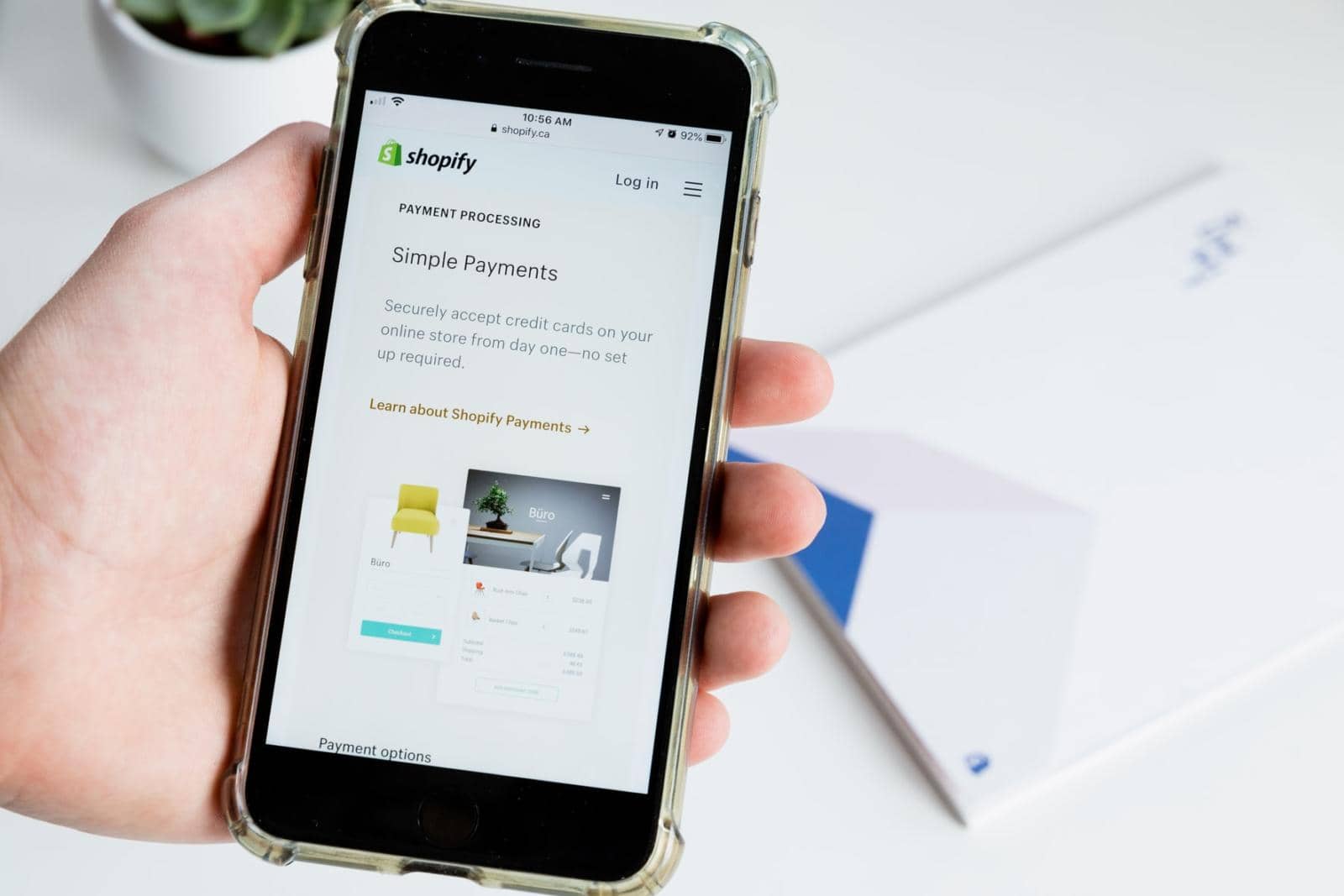
Shopify has made it easier than ever to launch an online store in New Zealand. You can build a site, add products, connect payments, and start selling fast - sometimes in a single weekend.
But speed is exactly why the legal side can get missed. Your store might look polished on the front end, while the “behind the scenes” (your terms, privacy, refunds, IP, and compliance) is shaky.
This updated guide reflects what we’re consistently seeing in modern eCommerce setups right now: more data collection, more digital marketing, more cross-border selling, and higher customer expectations. If you get the legal foundations right from day one, you’ll save yourself a lot of stress later.
1. Your Shopify Store Still Has To Follow NZ Consumer Law
A common misconception is that because you’re using Shopify (a trusted platform), you’re automatically “covered” legally. Shopify gives you the tech - but you still run the business, and your store must comply with New Zealand consumer laws.
In particular, two core laws apply to most Shopify stores selling to NZ customers:
- Fair Trading Act 1986 - you must not mislead customers (including in product claims, pricing, shipping times, “was/now” discounts, testimonials, or influencer content).
- Consumer Guarantees Act 1993 - products must meet certain guarantees (acceptable quality, match description, fit for purpose), and customers may be entitled to remedies if they don’t.
Pricing, Sales, And “Compare At” Prices
If you advertise a discount, it needs to be genuine. That means you should be able to justify the “usual” price and not create a fake sense of urgency or savings. It’s easy to accidentally fall into risky territory when using automated sale features or price comparison tools.
Product Descriptions And Claims
Shopify product pages often include bold marketing language - “premium”, “natural”, “safe for sensitive skin”, “waterproof”, “guaranteed results”. These claims can become legally risky if they’re not accurate or can’t be backed up.
If you use reviews, star ratings, or user-generated content, make sure it’s genuine and not edited in a way that creates a misleading impression.
Refunds And Returns Aren’t Just “Whatever You Decide”
You can set a returns policy, but you can’t contract out of the Consumer Guarantees Act when it applies. For example, if a product is faulty, you generally can’t refuse a remedy just because your store policy says “no refunds”.
It’s worth having your store’s terms aligned with how you actually handle issues in practice, including shipping delays, damaged goods, and incorrect items.
2. Your Website Terms Should Match How Your Shopify Store Actually Operates
Most Shopify store owners start with a template. That’s understandable - you’re trying to get live quickly. The problem is that generic templates often:
- don’t match your actual fulfilment process (especially if you dropship or use a 3PL);
- don’t reflect NZ consumer law properly;
- miss key clauses that reduce disputes (like delivery risk, limitations, chargebacks, and cancellation rules); and
- create “grey areas” that customers will interpret in their favour when something goes wrong.
At a practical level, your terms should clearly cover things like:
- Order acceptance (when the contract is formed - is it when the customer pays, or when you confirm dispatch?)
- Shipping timeframes (and what happens when delays occur)
- Title and risk (when risk passes to the customer - particularly important with courier delivery)
- Returns and exchanges (including change-of-mind vs faulty goods)
- Chargebacks and fraud checks (when you can cancel or pause an order)
- Subscription terms (if you offer recurring deliveries)
If you’re selling online in NZ, it’s usually a good idea to have tailored Website Terms and Conditions that reflect your product type and fulfilment model - especially once your order volume increases.
Don’t Forget Payment, Delivery, And Subscription Settings
Shopify lets you configure payment methods, pre-orders, backorders, and subscriptions. Your legal terms should line up with those settings. If the customer experience and the legal documents conflict, that’s where disputes start.
For example, if you allow pre-orders, your terms should clearly explain expected dispatch times and what happens if stock doesn’t arrive.
3. If You Collect Customer Data, You Need To Take Privacy Seriously
Shopify stores collect a lot of personal information by default - names, emails, phone numbers, delivery addresses, purchase history, and sometimes more (like birthdays, preferences, or health-related notes depending on your products).
In New Zealand, the Privacy Act 2020 applies to most businesses collecting and using personal information. In simple terms, you need to:
- only collect information you actually need;
- tell people what you’re collecting and why;
- store it securely and limit who can access it;
- only use it for the purpose you collected it for (unless another lawful basis applies); and
- handle access/correction requests properly.
If you’re running a Shopify store, having a clear Privacy Policy is one of the simplest ways to show customers what you do with their information and reduce confusion (and complaints) later.
Apps, Plugins, And Third Parties Are Part Of Your Privacy Risk
One thing many store owners miss: Shopify apps can access customer data. Email marketing tools, pop-up tools, review widgets, analytics, chatbots, and loyalty programs all potentially involve sharing personal information with third parties.
That doesn’t automatically make it “not allowed”, but it does mean you should understand what data flows are happening - and disclose them appropriately.
Cookies And Tracking
Many Shopify stores use cookies and tracking for analytics and marketing. If you use tools like Meta Pixel, Google Analytics, or remarketing, it’s important that your privacy wording reflects that (and that you’re not collecting more than you need without a good reason).
4. Your Marketing (Especially Influencers And Email) Has Legal Rules Too
Marketing is where Shopify businesses often grow fastest - and where legal risk quietly builds up.
Advertising And Social Media Claims
If you run ads or post on TikTok/Instagram, the same “don’t mislead” rules apply. That includes:
- before/after images;
- health, performance, or sustainability claims;
- limited-time offers;
- “best seller” or “#1” claims; and
- customer testimonials.
Even if the content is created by a third party (like an influencer), you can still be exposed if it promotes your products in a misleading way. It’s smart to have an agreement in place setting expectations about disclosures, ownership of content, and what they can (and can’t) say.
When you’re working with creators, an Influencer Agreement can help keep your campaign compliant and avoid arguments about deliverables or usage rights later.
Email And SMS Marketing
If you collect emails for marketing (like “sign up for 10% off”), you should make sure you’re contacting customers in a way that’s consent-based and includes a functional unsubscribe option.
Marketing compliance can feel like a hassle, but it’s one of those things that’s much easier to set up properly once, rather than fixing later after complaints or a platform ban.
5. Protect Your Brand Early (Name, Logo, And Content)
Brand is a big part of why Shopify stores succeed. But it’s also a common source of disputes - especially when two businesses end up using similar names, or when a competitor copies your content and product photos.
Business Name vs Domain vs Trade Mark
Buying a domain and creating an Instagram handle doesn’t automatically mean you “own” the name legally.
A trade mark can be one of the strongest tools for protecting your brand in New Zealand because it gives you enforceable rights to use the mark for specific goods/services (and can help you stop others from using something confusingly similar).
If you’re building a serious brand, it’s worth considering whether to Register Your Trade Mark early - particularly before you invest heavily in packaging, influencer marketing, or paid ads.
Photos, Product Descriptions, And Website Copy
Copyright can protect original content like photos, graphics, and written copy. But enforcing rights is much easier when your content creation is properly documented - and when you’ve made it clear what customers and competitors can and can’t do with your materials.
If you’re hiring photographers, designers, or developers, make sure you’re clear on who owns what, and what rights you’re actually getting. Otherwise, you may pay for work but not get the legal ability to reuse it across platforms.
6. If You Work With Suppliers Or Dropshippers, Get The Contract Side Right
Shopify makes it easy to sell products. It doesn’t make it easy to manage supplier risk.
Whether you manufacture locally, import goods, use a wholesaler, or dropship, your supplier relationship affects:
- quality control;
- lead times and stock availability;
- who wears the cost of faults or customer refunds;
- IP risk (are you allowed to use product photos and brand assets?); and
- what happens if the relationship ends.
Even a simple written agreement can reduce uncertainty. For many product-based stores, a tailored Supply Agreement is a practical way to document expectations around product specs, pricing, delivery, warranties, and what happens if something goes wrong.
If You’re Dropshipping, Be Careful With Delivery Promises
Dropshipping can work well, but you need to be realistic about shipping times and tracking. If your site suggests “NZ delivery in 2–4 days” but your supplier ships from overseas and routinely takes 2–3 weeks, that can create misleading conduct issues and customer disputes.
It can also cause payment processor issues (including chargebacks), which can seriously disrupt cashflow.
7. If You’re Hiring Help (Even Contractors), You Need The Right Agreements
Many Shopify stores start as a one-person operation, then quickly expand. You might hire:
- a virtual assistant to handle customer enquiries;
- a freelancer for ads or SEO;
- a warehouse worker or packer;
- a social media manager;
- a developer for theme work or app integrations.
Whenever someone is doing work for your business, you should be clear on:
- what they’re responsible for (and what they’re not);
- payment terms;
- confidentiality (especially customer data);
- ownership of work product (like ad creatives, copy, or designs); and
- how either party can end the arrangement.
Employee Or Contractor?
Misclassifying someone as a contractor when they’re really an employee can create major risk, including backpay and penalties. The right classification depends on the real nature of the relationship - not just what you call it.
If you are hiring employees (even part-time), it’s important to have an Employment Contract in place that reflects how the role actually works.
If you’re engaging freelancers, a contractor agreement can help set expectations and reduce disputes - particularly around IP ownership and confidentiality.
Key Takeaways
- Using Shopify doesn’t remove your legal obligations - your store still needs to comply with the Fair Trading Act 1986 and Consumer Guarantees Act 1993 when selling to NZ consumers.
- Your store policies should match how your business operates in real life, including delivery, refunds, exchanges, pre-orders, and chargebacks.
- If you collect customer information (which most Shopify stores do), you should comply with the Privacy Act 2020 and have a clear Privacy Policy.
- Marketing compliance matters - especially when using influencers, paid ads, testimonials, and “discount” pricing, where misleading claims can create legal exposure.
- Brand protection is a real issue for online businesses, and a trade mark can be a key step in protecting your name and logo as you grow.
- Your supplier and dropshipping arrangements should be documented clearly, ideally in writing, so you’re not left wearing avoidable quality and delivery risks.
- As soon as you hire help (contractors or employees), make sure you have the right agreements and that you’re classifying people correctly.
If you’d like help getting your Shopify store legally set up from day one - including your website terms, privacy compliance, supplier contracts, or contractor/employee arrangements - you can reach us at 0800 002 184 or team@sprintlaw.co.nz for a free, no-obligations chat.